Engineering
Top 5 Steel Grades for Automotive Manufacturing in 2026
May 12, 2026
Rajiv Sharma
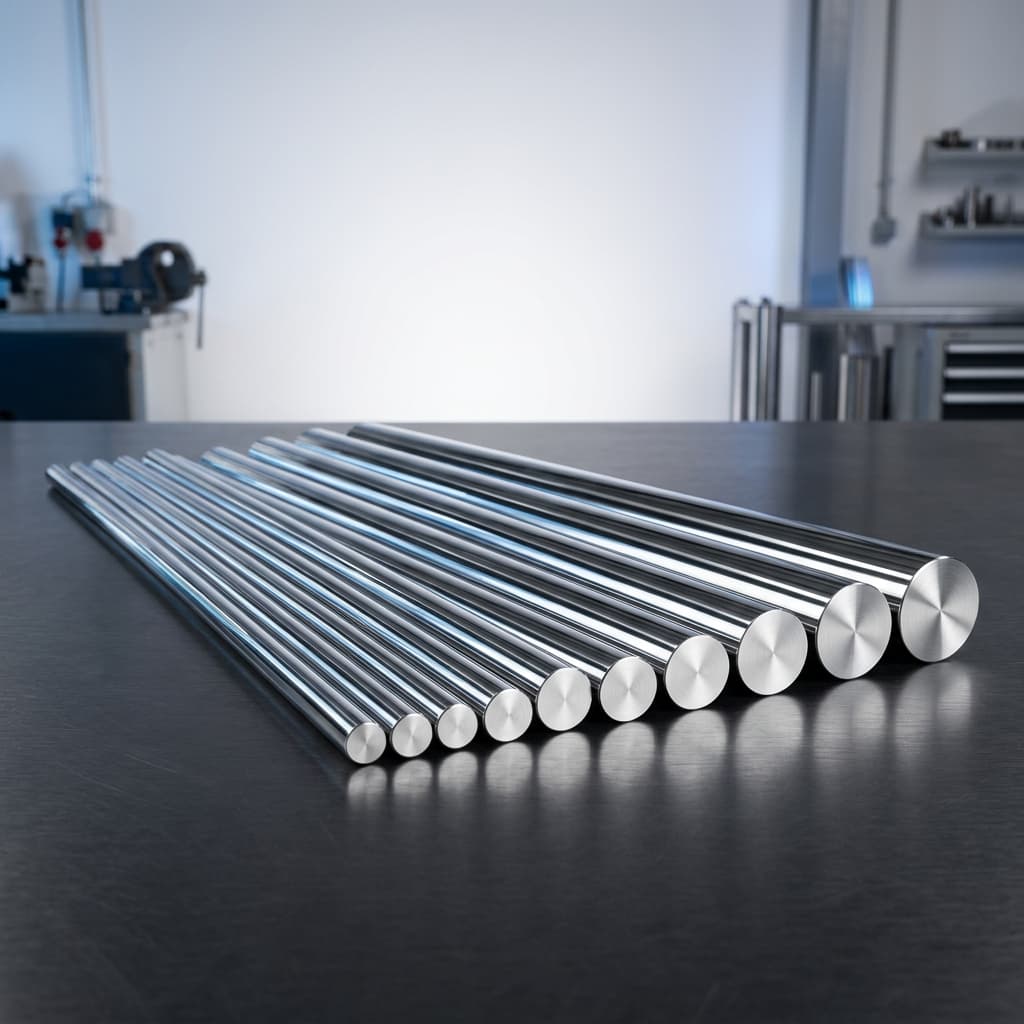
The automotive industry demands materials that can withstand high stress, offer excellent fatigue resistance, and maintain a favorable strength-to-weight ratio. As vehicle performance increases and efficiency regulations become stricter, the choice of steel grade is more critical than ever.
1. EN19 (AISI 4140) EN19 is a high-quality alloy steel renowned for its good ductility and shock resistance. It is heavily used in automotive manufacturing for components like axles, drive shafts, and crankshafts. Its ability to be heat-treated to various hardness levels makes it extremely versatile.
2. EN24 (AISI 4340) When extreme toughness is required, EN24 is the go-to grade. It is a nickel-chromium-molybdenum alloy steel that offers high tensile strength and shock resistance. It's often found in heavy-duty transmission gears and aircraft-quality components.
3. C45 (AISI 1045) A medium carbon steel, C45 provides moderate tensile strength and is highly machinable. It is cost-effective and widely used for general automotive engineering parts, such as studs, bolts, and connecting rods.
4. EN8 (AISI 1040) EN8 is an unalloyed medium carbon steel. It is typically supplied untreated but is capable of being flame or induction hardened. It is excellent for manufacturing shafts, stressed pins, and general-purpose axles.
5. MS (Mild Steel) While not an alloy or high-carbon steel, MS remains a staple for automotive body frames and structural supports due to its exceptional weldability and formability.
At United Brothers Global, we supply all these grades in various forms, including Bright Bars and Black Bars, complete with MTC certifications to ensure your automotive manufacturing line never stops.